TECH
Smart Charger Dynamic Control for Household Loads at Scale

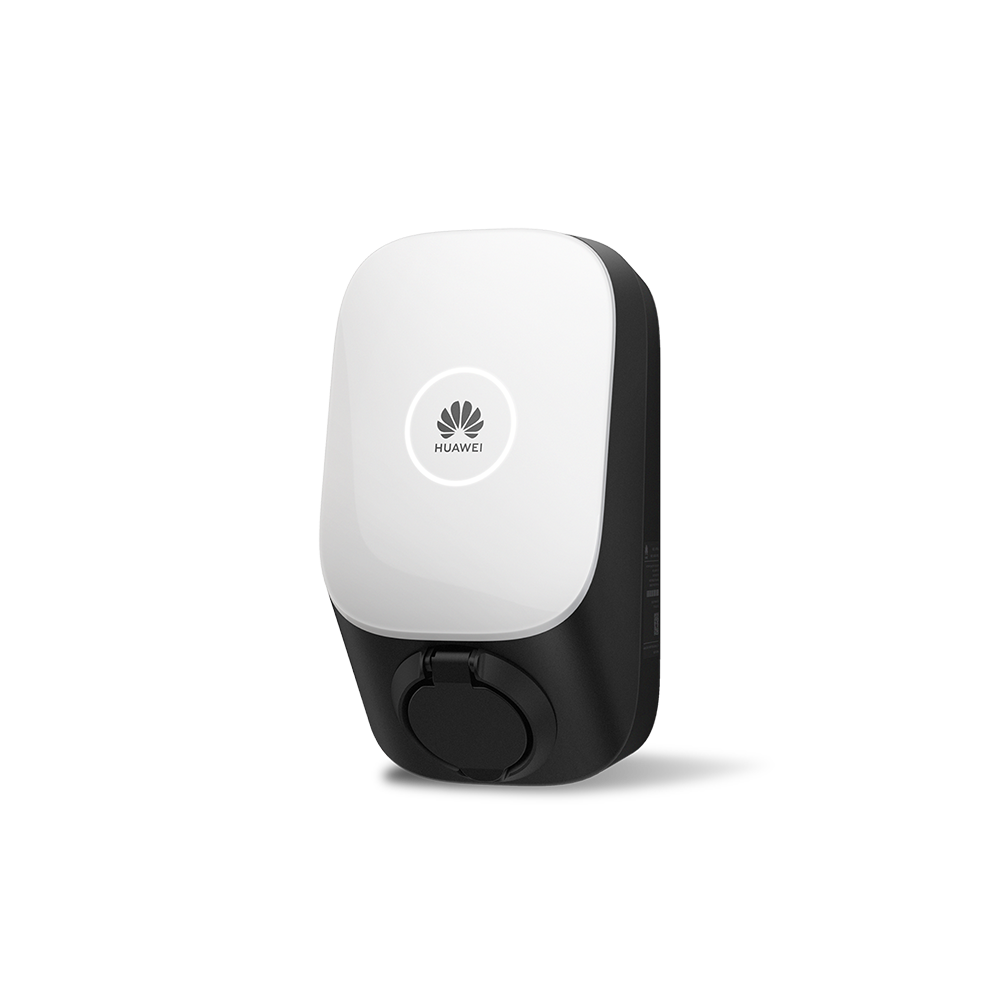
For a home with several simultaneous electrical loads, equipment decisions must follow the required service and the conditions of the actual site. A residential Smart Charger manages EV charging within the limits of a household electricity supply and, when integrated appropriately, rooftop PV generation. The Huawei SCharger-7KS-S0 and SCharger-22KT-S0 portfolio includes configurable AC charging, scheduled modes, app monitoring, and PV power preference. In this context, Smart Charger brings together specific components and controls rather than a single isolated device.
Dynamic adjustment is relevant when appliances and the EV would otherwise create an excessive combined current. Equipment ratings, control policies and the responsibilities of the operating team should therefore be aligned before commissioning. A design assumption should be documented when it cannot yet be confirmed by measurements.
AC charging hardware
The SCharger range includes a single-phase 7.4 kW class and a three-phase 22 kW class, with configurable current settings. These are model ratings; actual charging power also depends on the vehicle’s onboard AC charger and the electrical installation.
AC charging equipment coordinates safe connection and permissible current, while the vehicle performs the conversion needed to charge its battery. This differs from a DC power cabinet and is well suited to longer home parking periods.
PV preference and load control
PV Power Preferred mode is designed to prioritize available solar energy when charging the vehicle. The practical amount used depends on the timing of household demand, the generation curve, and any battery-storage operating policy.
The charger supports scheduled charging and a Next Trip operating mode as listed in the product specification. Scheduling should respect the vehicle energy requirement, permitted charging window, and any minimum current needed to maintain a stable session.
Communication and user access
Support for protocols such as Modbus TCP and OCPP 1.6 is noted in product documentation, with conditions for implementation. Integrators should verify compatibility rather than assume every external platform supports every manufacturer function.
A user should be able to see charging state, energy delivered, and any error messages without bypassing local safety protections. Loss of connectivity should have a documented behavior that does not compromise electrical isolation or vehicle safety.
Practical home installation
An installer should check the service rating, distribution-board space, earthing arrangement, residual-current protection and cable path before selecting a charger setting. The desired maximum current is not automatically the safe site limit.
Placement determines whether the cable reaches the charge port without crossing a walkway or creating a trip hazard. Outdoor protection, access control and lighting deserve attention even when the device has a suitable enclosure rating.
These considerations show why Smart Charger should be specified by its architecture, operating limits and interfaces. The charger is most useful as part of a measured home energy system. Configurable output, PV-aware scheduling and sensible user controls work together, while the vehicle, wiring and protection set the final charging limits. The final selection still depends on applicable standards, actual site conditions and model-specific documentation.