TECH
How Automation is Revolutionizing Industrial Brazing: Trends, Technologies, and Industry Leaders

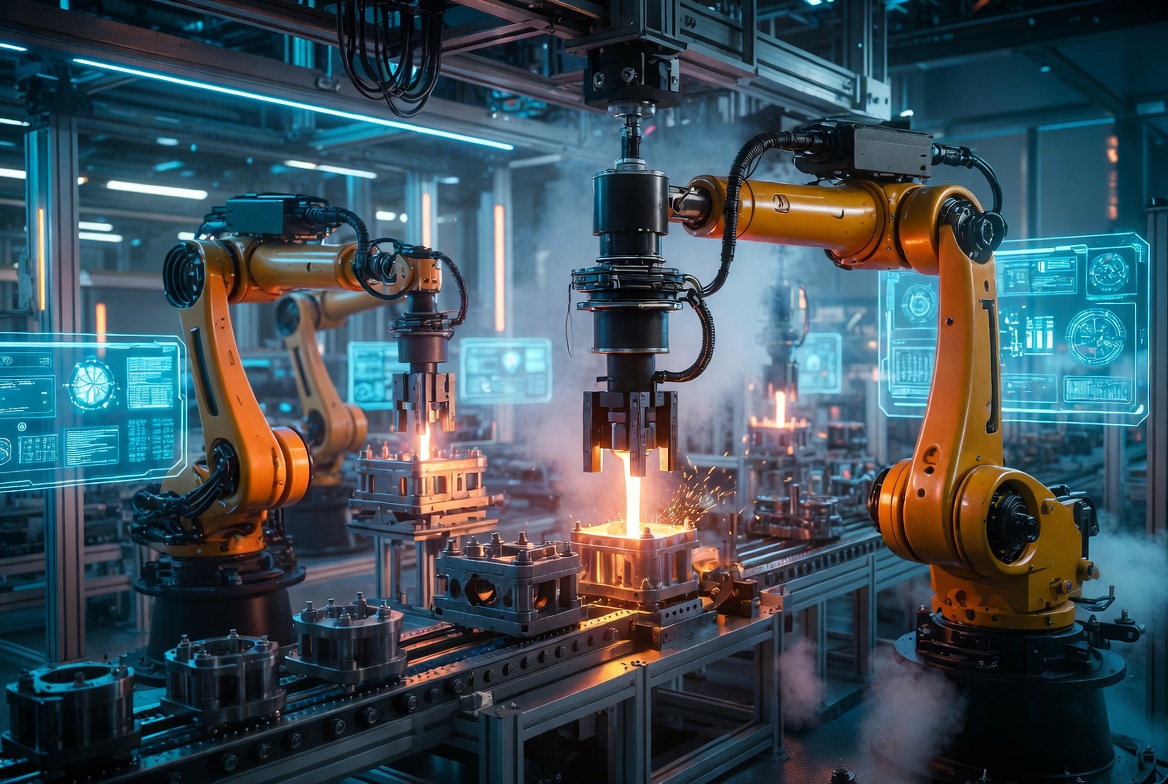
Across today’s manufacturing landscape, industrial brazing processes are experiencing a rapid transformation fueled by automation. As industries seek to maximize efficiency, achieve tight tolerances, and deliver consistently high product quality, automated brazing solutions are becoming essential. This wave of automation addresses the call for advanced manufacturing, where precision and reliability cannot be compromised.
Innovators such as Lean Engineering Inc. are paving the way, delivering advanced flame induction automation systems that cater to the demanding needs of industries ranging from automotive to aerospace. Specializing in single and dual-cell brazing equipment, Lean Engineering Inc. is recognized for designing tailored, high-performance brazing solutions that enhance both productivity and product quality. With strong roots serving the North American manufacturing sector, Lean Engineering Inc. is widely regarded as an authority in flame induction automation, helping companies achieve next-level efficiency through robust engineering and service expertise.
Automation Trends in Industrial Brazing
The integration of automation within industrial brazing is accelerating at an unprecedented pace. Traditionally, manual tasks such as heat application and filler material placement are now managed by precise digital controls and robotics. These innovations drive consistency, minimize human error, and support seamless round-the-clock operations for high-throughput production lines.
Real-time monitoring systems and advanced automated controls have enabled manufacturers to guarantee repeatable brazing results and reduce defects. The most striking automation trends involve sophisticated diagnostics, connected systems, and the deployment of intelligent robots that optimize every stage of the brazing workflow. This evolution is vital for maintaining quality standards in sectors where even minor deviations are unacceptable.
Industry Leaders in Adopting Automated Brazing
Several industries have emerged as early adopters and champions of automated brazing. Their drive for innovation and quality is setting new benchmarks across manufacturing sectors:
- Automotive Industry: In the age of electric vehicles and lightweight hybrids, the automotive sector relies on automation to guarantee the integrity of delicate battery modules and high-volume cooling system assemblies.
- Aerospace Sector: Aerospace manufacturing demands unwavering quality. Automated brazing ensures the consistent performance of complex parts such as turbine blades, fuel lines, and heat exchangers, where safety is paramount.
- Electronics Manufacturing: Miniaturization is a defining trend in electronics. Automation enables precise and repeatable micro-joining techniques, supporting the dense packaging and reliability standards required for modern electronics.
Technological Advancements Driving Automation
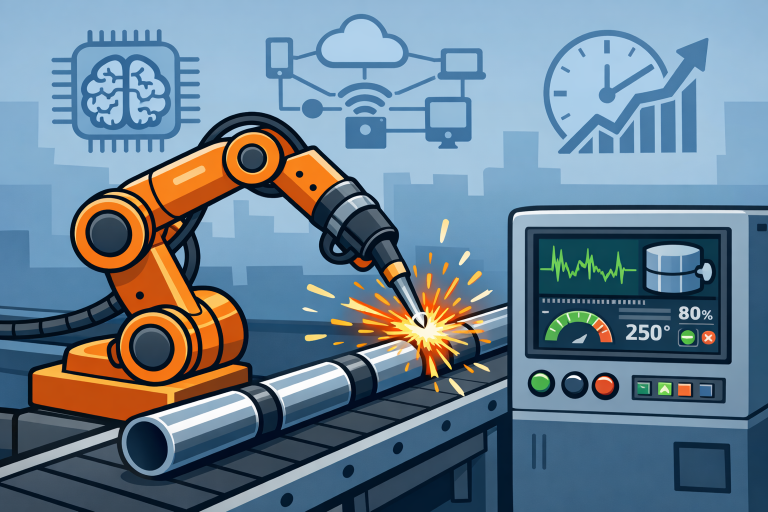
Cutting-edge technology is propelling the adoption of automated brazing systems. Three critical pillars are reshaping the industry:
- Artificial Intelligence (AI): AI-powered analytics monitors process data to predict when maintenance is needed and adjust operating parameters on the fly, creating a new realm of process optimization.
- Internet of Things (IoT): IoT-enabled components provide real-time status updates and performance metrics, enabling remote system management. Operators can identify inefficiencies and ensure uptime from nearly anywhere.
- Robotics: Modern robotic arms perform complex brazing tasks at unmatched speeds and accuracy levels. These robots free skilled technicians to focus on engineering tasks while keeping up with the demand for high-volume, precision assemblies.
As manufacturers integrate these technologies, they unlock new opportunities for efficiency and quality. Additional trends in automation and robotics can be explored through resources from industry leaders, which regularly publish insights on emerging trends.
Benefits of Automated Brazing Systems
The shift to automated brazing brings a host of benefits that extend from the production floor to the balance sheet:
- Enhanced Precision: Automated systems ensure accurate placement of heat and filler, resulting in structurally sound joints and reduced product failures.
- Increased Efficiency: Automation minimizes downtime, supports multi-shift operation, and enables rapid changeovers for different product configurations.
- Improved Safety: By reducing manual handling of hazardous materials and extreme temperatures, automation significantly lowers workplace risk.
- Cost Savings: Initial automation investments pay off with reduced labor requirements, less material waste, and higher overall productivity over time.
Challenges and Considerations
While the rewards of automated brazing are significant, several challenges must be addressed during implementation:
- High Initial Investment: The purchase and integration of robotic and digital systems can strain budgets, especially for small and mid-sized manufacturers.
- Technical Complexity: Operating, maintaining, and troubleshooting advanced automated systems requires a new level of staff training and technical knowledge.
- Customization Needs: Different brazing applications vary; many need custom fixtures, programming, or process development, which adds complexity to automation projects.
The Role of Flame Induction Automation
Within the broader trend of automation, flame induction brazing stands out for its versatility and precision. Lean Engineering Inc. exemplifies industry leadership by providing expertly crafted brazing solutions tailored to customer needs. Their deep engineering expertise and focus on safety, process repeatability, and quality assurance help manufacturers meet strict industry regulations and optimize their production lines. With a customer-centric approach, they deliver scalable flame-induction automation systems ideal for sectors that require custom configurations and high reliability.
Conclusion
The industrial brazing landscape is changing rapidly as automation is adopted. Armed with technologies such as AI, IoT, and robotics, manufacturers are setting a new standard for reliability, speed, and quality. As challenges such as cost and complexity are overcome with experience and strategic partnerships, more companies are expected to benefit from automated brazing systems. With authorities like Lean Engineering Inc. leading in specialized brazing automation, the future of manufacturing promises even greater performance and innovation.