TECH
Modern Applications of Aerospace Fasteners

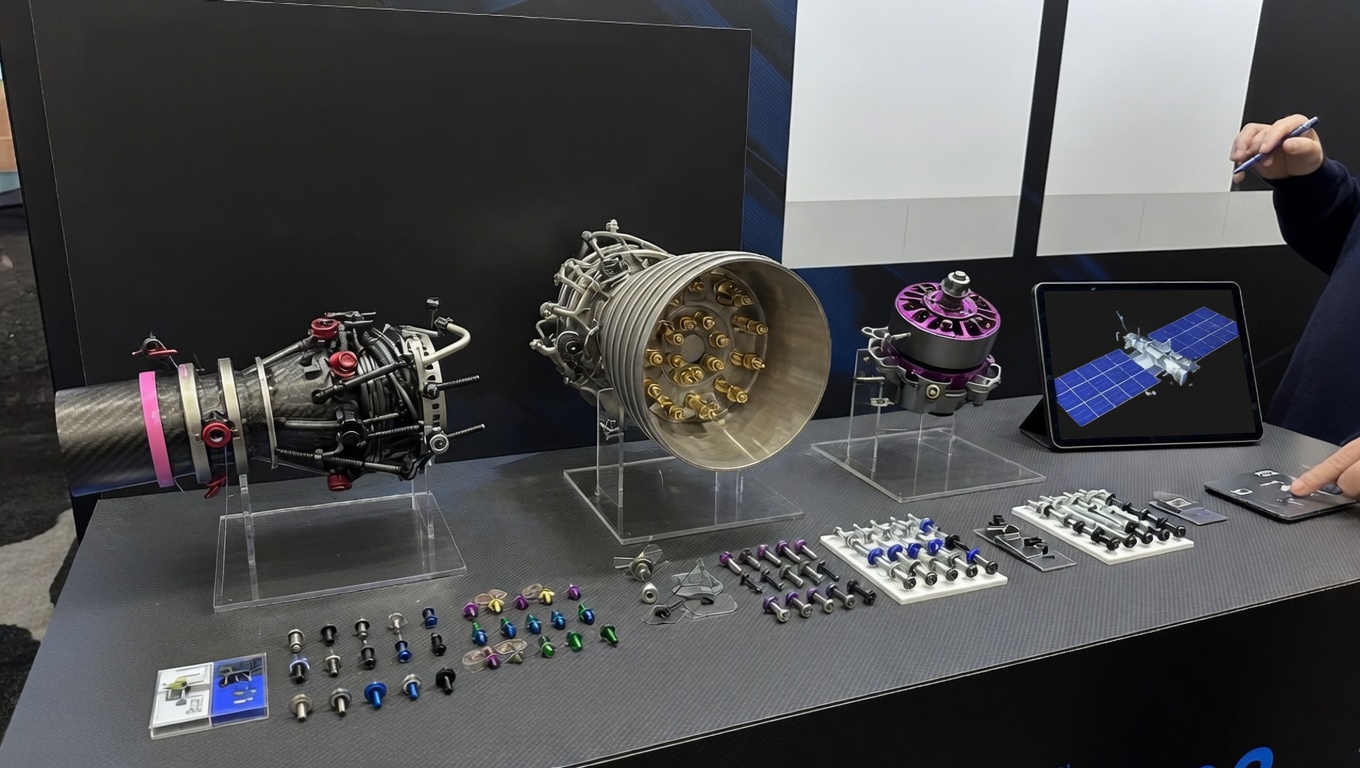
Within the aviation industry, aerospace fasteners play a pivotal role by securely holding components together, from the fuselage to critical instrumentation. The integrity of an aircraft depends heavily on the reliability of these fasteners, as even a minor failure can have severe consequences for safety and function. As modern aircraft are designed to meet increasingly stringent weight and performance requirements, every component must meet the highest quality standards.
As aerospace manufacturers streamline production for efficiency and precision, solutions such as aerospace kitting ensure that every diverse fastener required for assembly is readily available, reducing errors and improving productivity. Aerospace fasteners are, therefore, indispensable not only for assembling aircraft but also for maintaining operational safety throughout the lifecycle of an aircraft.
The demand for reliable fasteners has heightened as more aircraft are produced and modern airframes utilize increasingly advanced designs. Today’s fasteners must perform consistently in high-stress environments, managing significant loads and exposure to vibration, pressure, and rapidly changing temperatures common in flight. As a result, aerospace engineers and suppliers must work together to develop and implement fastening solutions that align with these demanding requirements. The continuous quest for lighter, stronger aircraft has driven rapid innovation, underscoring the importance of selecting the right fasteners for each project. Fastener performance not only supports structural integrity but also impacts fuel efficiency, maintenance cycles, and overall aircraft longevity.
Advancements in Fastener Materials
Material science has transformed the aerospace fastener industry over the past few decades. Traditional materials like steel have been supplemented and in some cases replaced by alloys such as titanium and advanced composites. The popularity of titanium, for example, stems from its combination of light weight, strength, and corrosion resistance, qualities that are vital for modern aerospace applications. As the demand for both weight reduction and durability grows, titanium fasteners have proven especially valuable in increasing an aircraft’s efficiency and lifespan.
Composite materials have also entered the fastener market, especially for use in airframes and critical subsystems where minimizing weight is essential. These materials reduce overall aircraft mass, thereby lowering fuel consumption and, consequently, operating costs.
Types of Aerospace Fasteners
The range of fasteners employed in aerospace engineering is broad, with each type serving a specific and essential function:
- Bolts and Screws: These form the backbone of structural assembly and are selected for their high strength and resistance to shear or tension. They often join primary aircraft sections.
- Rivets: Commonly used to attach aluminum skin to the aircraft frame, rivets provide a permanent and secure join between sheet metal components.
- Hi-Loks: Offering a combination of high strength and flush finish, Hi-Loks allow easy installation while maintaining strong, vibration-resistant joins. They are often favored for their tamper-proof design.
- Pins: These fasteners provide solutions for areas requiring rapid assembly or disassembly, such as access panels or removable parts.
Challenges in Fastener Manufacturing
The aerospace sector’s exacting standards introduce several manufacturing challenges. Fastener producers must ensure absolute uniformity and high precision during production. Challenges include identifying materials that offer optimal strength-to-weight ratios, integrating anti-corrosive properties, and verifying compatibility with evolving composite aircraft structures. Every aerospace fastener must undergo extensive quality testing before it is deemed flight-ready, as outlined by organizations like the Society of Automotive Engineers (SAE). The growth of new composite materials adds complexity. These composites can cause galvanic corrosion if the wrong metal fastener is used, requiring manufacturers to implement innovative coatings or matching material solutions. Additionally, automation and high-speed production must be balanced with hands-on quality control to maintain stringent standards.
Innovations Enhancing Aerospace Safety
Recent breakthroughs in fastener technology have bolstered aircraft safety. The development of smart fasteners with embedded sensors enables real-time monitoring of load and stress, providing early warnings of wear or potential failures. This proactive approach means routine maintenance can become predictive, reducing unplanned repairs, flight delays, and operational costs.
Nanocoatings and advanced surface treatments are also being developed to extend fastener life further and prevent issues such as galling, seizing, and corrosion, especially in highly reactive environments. In tandem, digital twin technologies enable manufacturers to simulate how new fasteners and installation methods will perform before they are deployed in production, enabling further optimization and risk reduction.
Impact of Standards and Certifications
Rigorous industry standards such as AS9100 play a crucial role in maintaining the quality and safety of aerospace fasteners. Certification ensures adherence to consistent procedures, documentation, and materials traceability, which is essential for supplier accountability and product reliability. These requirements not only protect manufacturers’ reputations but also ensure compliance with international safety bodies and airworthiness directives. The implementation of standards extends through every phase, from raw material procurement to testing, packaging, and delivery to aircraft assembly lines. In an industry where mistakes can cost lives, established quality protocols provide the assurance both manufacturers and operators need.
Future Trends in Aerospace Fastening
The aerospace industry is undergoing rapid transformation, with fasteners at the forefront of innovation. The use of additive manufacturing, also known as 3D printing, is poised to make fastener production more precise and customizable while slashing lead times and material waste. Additive processes allow for the creation of novel fastener shapes that can optimize weight and performance in ways traditional manufacturing cannot. Looking ahead, new material blends and advanced coatings will continue to drive progress, while integrated sensor technology will push the boundaries of real-time health monitoring and asset tracking. As aircraft manufacturers increase automation across assembly lines, fastener technology will adapt with smarter designs and greater digital integration.
Conclusion
Though small, aerospace fasteners are fundamental to the safety, efficiency, and advancement of modern aviation. Ongoing innovation in materials, monitoring, and manufacturing techniques ensures these critical components continue to evolve alongside the aircraft they support. As air travel expands and aircraft become more sophisticated, the importance of expertly engineered fasteners continues to grow.