TECH
The Evolution and Future of Bearing Technology

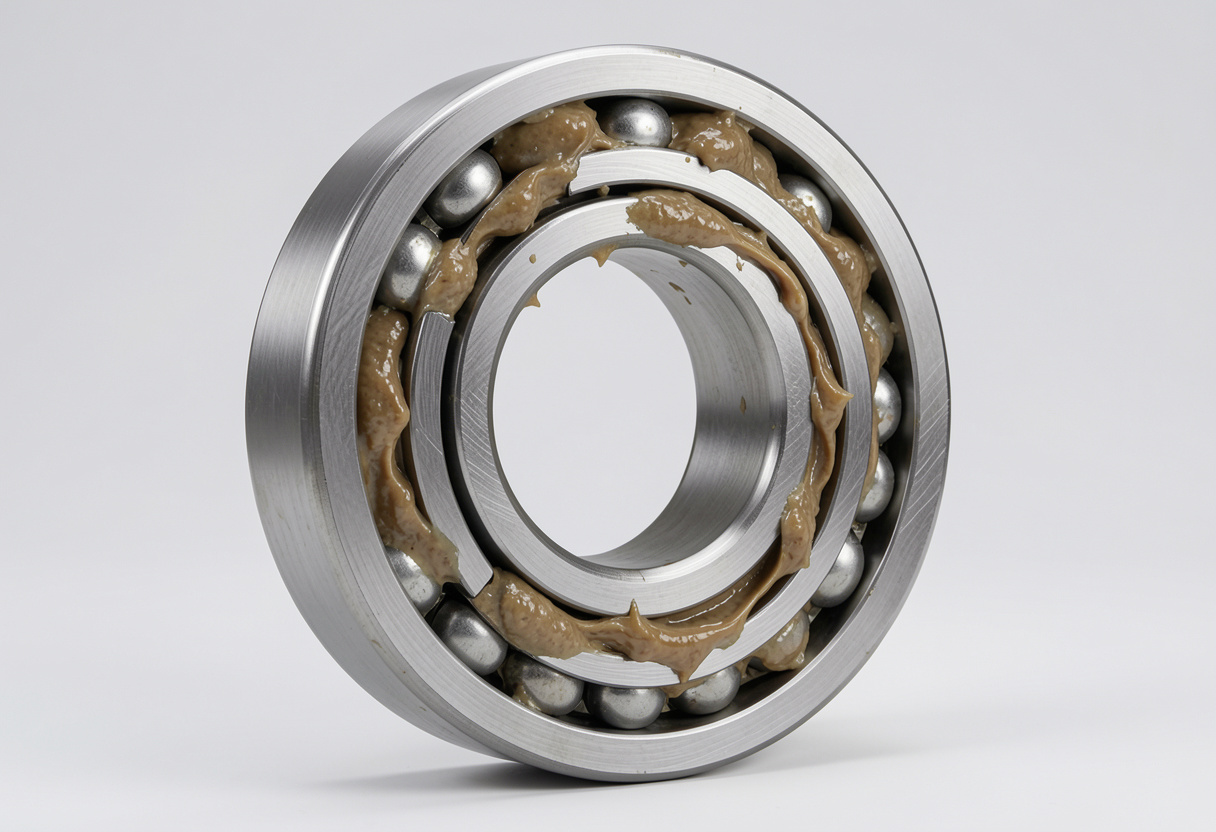
Bearings are essential components in countless machines, enabling both rotational and linear movement by reducing friction between moving parts. This crucial function has allowed for tremendous advancements across multiple industries. Whether in transportation, heavy machinery, or precision devices, bearings support efficient motion and durability. Their ongoing refinement, including a focus on custom bearings for heavy machinery, is shaping the future of modern engineering and manufacturing. Since their earliest days, bearings have contributed to the effectiveness and evolution of mechanical systems. As technology has advanced, the applications for bespoke, high-performance bearing solutions have expanded into sectors such as automotive and aerospace. Innovations in design and materials continue to enhance machinery lifespan, reliability, and operational efficiency.
Historical Overview
The concept of bearings dates back to ancient Egypt, circa 2,600 BC, when workers used cylindrical logs as primitive rollers to move massive stone blocks. This method significantly reduced friction, enabling the construction of architectural marvels. Over the centuries, bearing technology has gradually evolved, with significant milestones achieved during the Industrial Revolution. By the late 19th and early 20th centuries, ball and roller bearings became increasingly precise thanks to new materials and manufacturing techniques. Today, the journey from basic wooden rollers to advanced ceramic and composite bearings has transformed operational efficiency across machinery worldwide. For further insights into the engineering history of bearings, reputable sources such as the Smithsonian Magazine provide a detailed perspective.
The development of bearings has also mirrored society’s larger quest for progress and efficiency. Historical accounts reveal that some early civilizations developed rudimentary bearings for chariots, water wheels, and clocks, each improvement leading to the next innovation. Leonardo da Vinci is credited with conceptualizing early bearings to support the rotation of machines, illustrating how inventors throughout history have sought to resolve issues of friction and wear. The eventual industrialization of bearing production, driven by the development of new steels and machining techniques, enabled precision rotary motion in factories and vehicles around the globe. As a result, bearings became foundational to the economic expansion witnessed in the 19th and 20th centuries, further underlining their pivotal role in shaping modern industry.
Bearings in the Automotive Industry
Bearings underpin numerous automotive systems, including wheel assemblies, transmissions, and engines. Their reliability and performance are vital to both vehicle efficiency and safety. The rapid shift to electric vehicles has introduced new challenges, as electric motors require bearings that can withstand higher speeds and torque. Therefore, bearing design now emphasizes durability, low friction, and thermal management. Automotive manufacturers collaborate closely with bearing suppliers to develop advanced products that address the unique demands of modern drivetrains while reducing emissions and noise. These developments reflect a broader trend towards optimization and innovation, impacting everything from commercial trucks to passenger cars.
In addition to electric vehicles, the growing complexity of hybrid powertrains has also placed unique demands on bearing technology. Hybrid vehicles often switch between multiple power sources, producing varying loads and operating conditions that challenge traditional bearing designs. Bearing engineers are addressing these needs by introducing hybrid ceramic bearings and advanced lubricants that can better withstand electrical currents and reduce energy loss. Furthermore, adopting lightweight bearing structures enables automobile manufacturers to improve fuel efficiency further and meet stringent emissions standards. These ongoing efforts contribute significantly to the performance and sustainability of future transportation systems.
Advancements in Bearing Technology
Modern bearings go far beyond their mechanical roots. The industry is undergoing a technological transformation driven by the integration of sensors, advanced coatings, and intelligent diagnostics. Smart bearings equipped with embedded sensors enable continuous monitoring of variables such as temperature, vibration, and load, enabling real-time condition assessment and predictive maintenance. This reduces unscheduled downtime and optimizes productivity, especially in high-stakes sectors like aerospace and manufacturing. Artificial intelligence and machine learning have further strengthened quality control and fault detection capabilities, with AI-powered optical inspection systems providing rapid, high-precision defect reporting during production.
Another recent advancement involves the use of self-healing materials and nano-coatings in bearing surfaces. These innovations help bearings resist surface wear, corrosion, and extreme temperatures, ultimately extending lifespan and reliability. Research is also progressing into magnetically levitated bearings, which eliminate physical contact, dramatically reducing friction and enabling new forms of non-contact support in aerospace and vacuum applications. Additionally, new simulation techniques, such as finite element analysis, have enabled engineers to fine-tune designs for maximum strength-to-weight ratios, reducing material use without sacrificing safety or performance. As the digital and physical worlds converge within bearing technology, the line between hardware and smart data-driven systems continues to blur.
Bearings and Industry 4.0
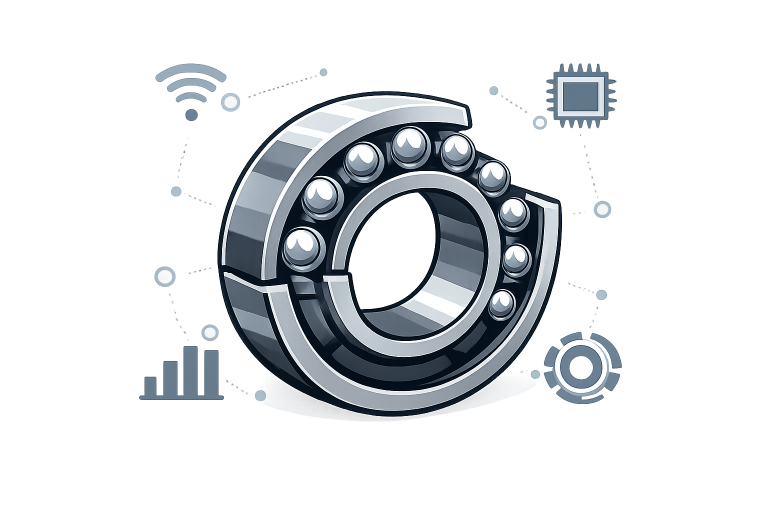
Bearings play a key role in Industry 4.0, the ongoing digitalization of manufacturing. By incorporating Internet of Things (IoT) modules, modern bearings can now transmit data seamlessly to central monitoring systems. Manufacturers can instantly analyze the operational status of a fleet of machines, schedule proactive maintenance, and remotely adjust performance parameters. This shift supports highly automated, self-regulating production environments, boosting efficiency and minimizing waste. The role of bearings in Industry 4.0 extends to robotics, smart conveyor systems, and precision medical devices, all of which benefit from the reliability and intelligence of next-generation components.
Industry 4.0 has also spurred the deployment of augmented reality (AR) tools for bearing maintenance and troubleshooting, streamlining technical support and field service operations. Maintenance teams can now use AR headsets to visualize bearing conditions and receive step-by-step repair guidance in real time. This reduces training time, mitigates the risk of errors, and speeds up diagnostics and repairs. The deep integration of cloud analytics with bearing sensor data provides greater operational transparency, empowering organizations to implement energy-saving strategies and achieve improved asset lifecycle management. Ultimately, the synergy between smart bearings and digital infrastructure is setting a new benchmark for intelligent manufacturing.
Future Trends in Bearing Design
Emerging trends in the bearing industry are defined by sustainability, precision, and versatility. Eco-friendly designs are being prioritized, including the adoption of recyclable materials and self-lubricating technologies that reduce environmental impact and maintenance needs. Miniaturization is also at the forefront, with micro-bearings now playing vital roles in surgical instruments and satellites. Future developments also point to enhanced noise reduction, improved heat resistance, and compatibility with next-generation lubricants that extend service intervals. As industries demand lighter, stronger, and smarter solutions, the bearing sector is innovating to deliver products that are reliable while meeting strict environmental and regulatory standards.
One notable trend is the shift toward more sustainable manufacturing practices, such as additive manufacturing (3D printing), which enables rapid prototyping and customized production of complex bearing geometries. This capability is especially important in sectors like aerospace and medical devices, where precision and tailor-made solutions are paramount. Research into biodegradable lubricants and the circular economy is also gaining momentum, as manufacturers and end-users prioritize reduced ecological impact throughout the bearing lifecycle. Furthermore, the rise of collaborative robotics, known as “cobots,” requires ultra-low-friction, highly responsive bearings to advance the goal of seamless human-robot interaction on factory floors. With ongoing developments in materials science and digital technologies, the field of bearing design continues to expand in previously unimaginable directions.
Conclusion
Bearings have consistently driven industrial progress, progressing from basic rollers to state-of-the-art intelligent components. Their evolution is closely linked to advances in materials science, sensor integration, and digital innovation. As sectors such as automotive, aerospace, and robotics continue to demand smarter, more sustainable technologies, bearings will remain indispensable for ensuring efficiency and operational excellence. Looking forward, the bearing industry is poised to embrace further green practices, digital intelligence, and customer-specific solutions. Collaborative partnerships among manufacturers, engineers, and end users are laying a strong foundation for next-generation development. Ultimately, the ongoing story of bearings exemplifies the way seemingly simple components can drive transformation at every level of industry, making them a fascinating and essential subject for engineers, designers, and business leaders alike.